Overglaze vs. Underglaze: The Difference in One Minute
· 5 min read
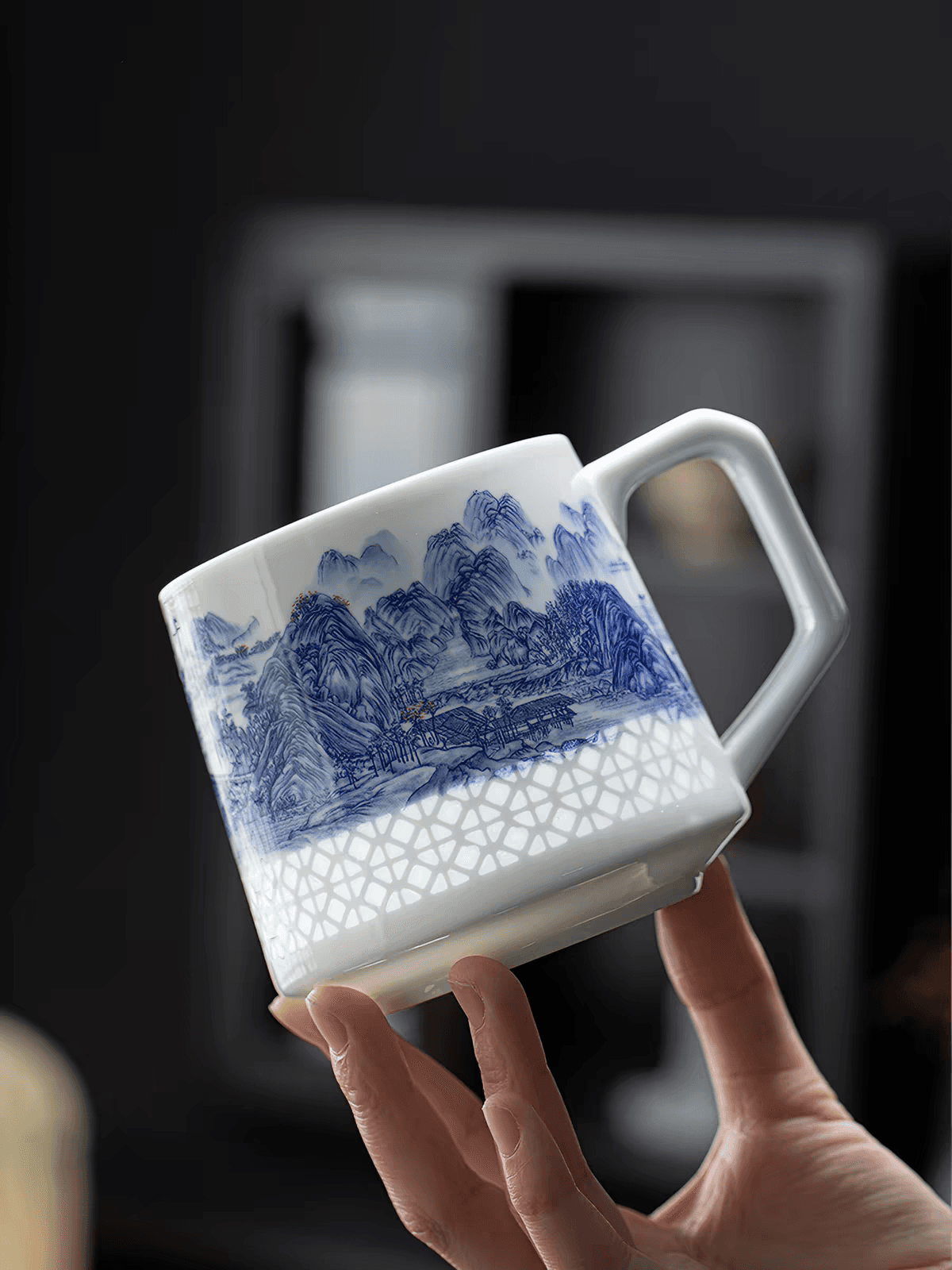
Underglaze colors are painted onto the unfired clay body, then covered with glaze and fired at high temperature, giving a smooth feel. Overglaze colors are painted onto the already-fired porcelain surface and refired at low temperature, leaving a raised texture. You can quickly tell the two apart by firing temperature and feel.
Underglaze vs. Overglaze: Key terms: Jingdezhen, high-temperature porcelain, kaolin, overglaze, underglaze
Many teaware enthusiasts wonder: what exactly is the difference between overglaze and underglaze decoration? Read this and you'll be able to tell them apart with ease.
What is glaze?
Glaze is a thin, glass-like layer covering the surface of porcelain. Its raw materials are blended and ground from minerals such as feldspar, quartz, talc, and kaolin. After being applied to the body, it is fired at high temperature, essentially giving the porcelain a dense protective layer.
The body (bisque) is the vessel's clay form. In Jingdezhen, there are many bisque-fired bodies, pre-fired at around 800°C, that can be used directly for creation.
Underglaze
Representative types: blue-and-white, underglaze red, blue-and-white with underglaze red, underglaze polychrome, color-ground slip decoration.
The decoration is done on the body, then covered with a layer of glaze and fired at high temperature, around 1300°C.
Touching it by hand, the surface is smooth and flat. It is highly stable and suitable for dining and tea vessels.
Overglaze
Representative types: gold decoration, enamel colors, famille rose, pigment colors, ink colors, iron-red wash.
The porcelain is glazed and fired first, then decoration is applied on the glazed surface. To preserve bright, rich colors, the firing temperature is lower, generally 600–900°C.
A quick tip for telling them apart: if you touch the painted area and feel a raised texture, it is most likely overglaze. For vessels used to serve food, it's best to avoid styles with decoration on the inner wall.
Quick summary
• Underglaze: painted on the body, then glazed, fired at high temperature, smooth to the touch.
• Overglaze: porcelain fired first, then painted, refired at low temperature, often with a raised feel.
Related guides
· Tea Cups
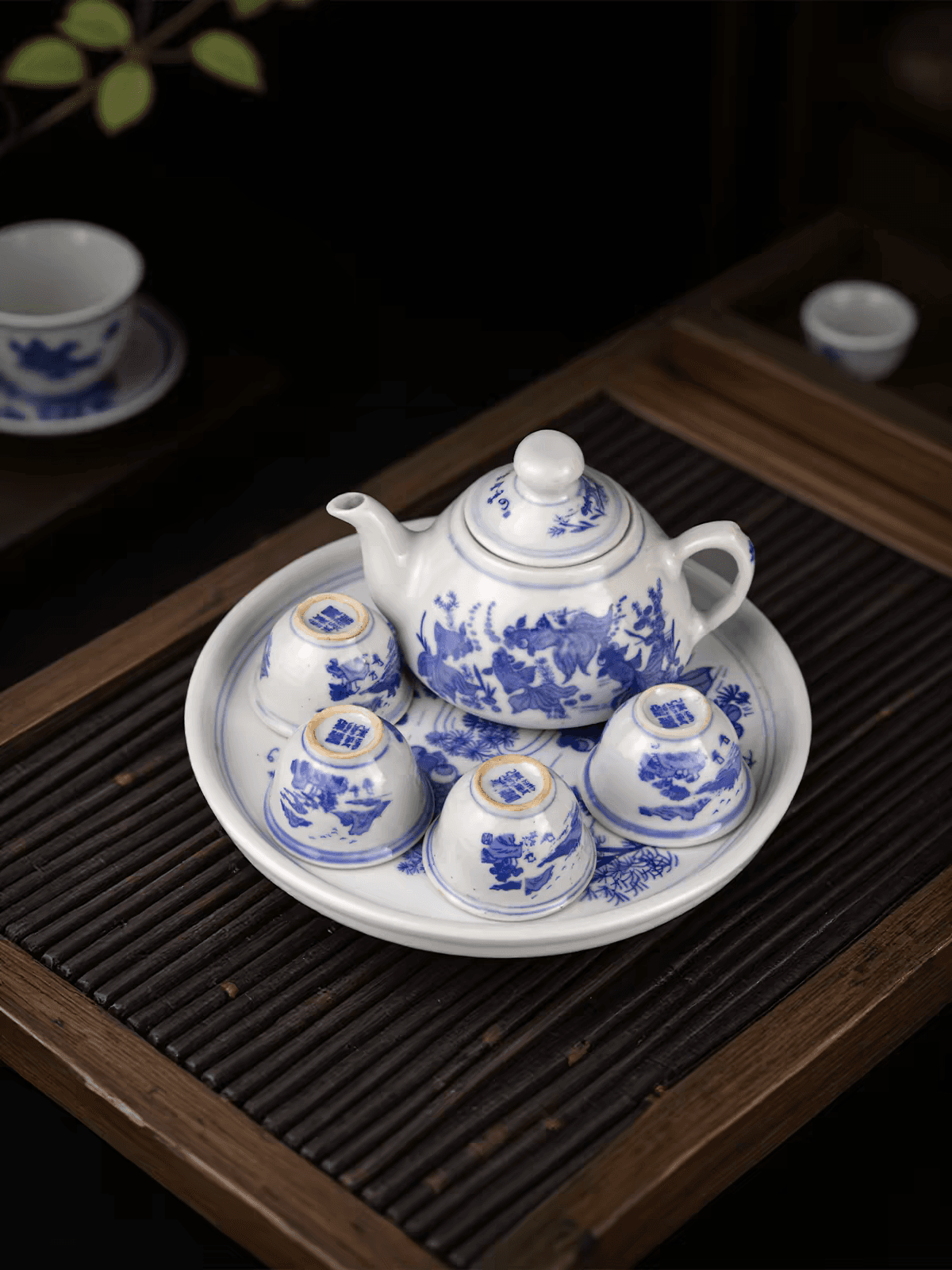
Jingdezhen's Four Great Famous Porcelains: Understanding Eastern Ceramic Aesthetics
{"Summary":"Jingdezhen's four great famous porcelains—blue and white, linglong (rice-grain), famille rose, and colored glaze—each have their own craft characteristics and aesthetic language, carrying a thousand years of porcelain-making craftsmanship and offering a reference for Chinese ceramics for collecting, display, and everyday use."}
Read more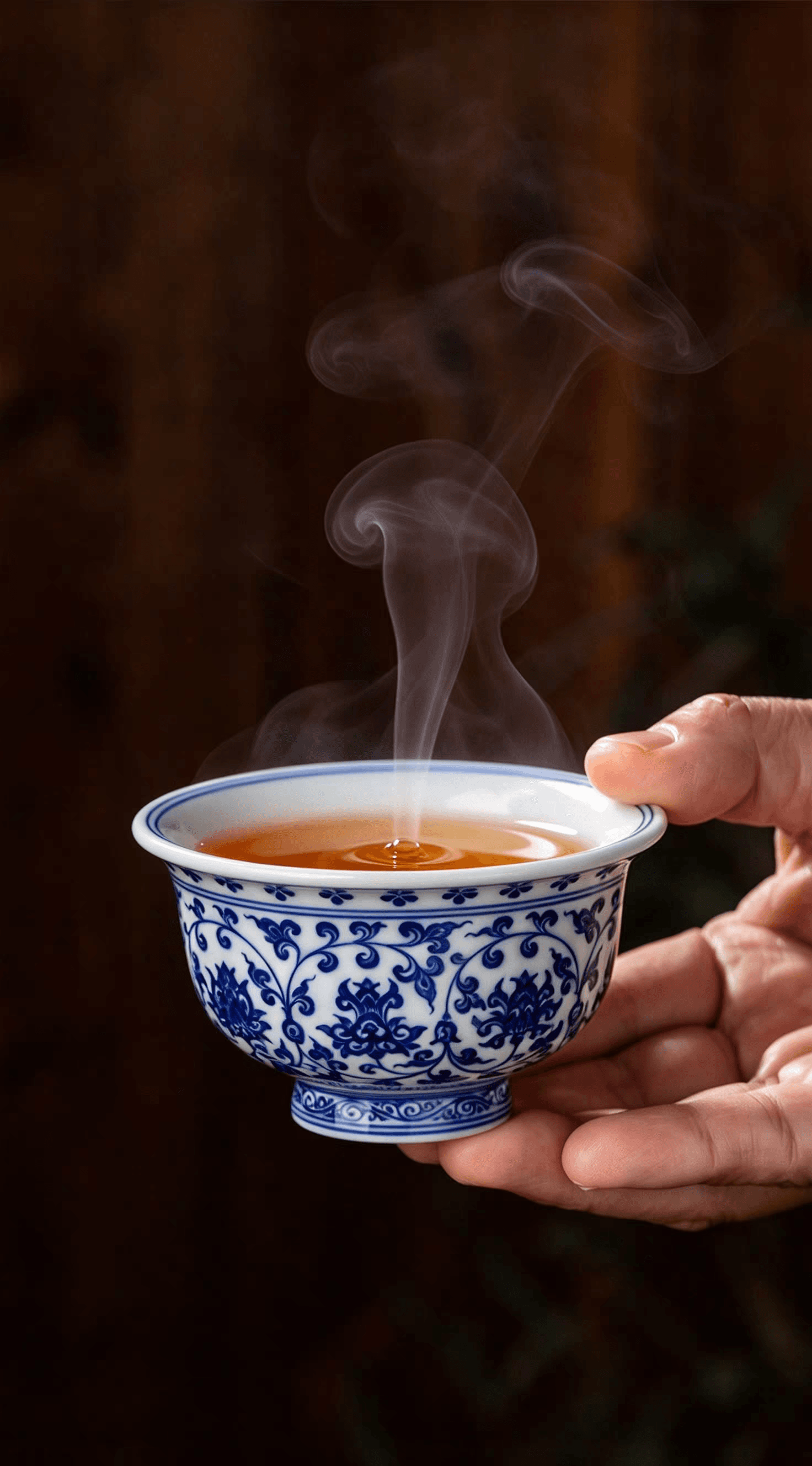
· Buying Guide
Kaolin: The Remarkable Clay Behind a Millennium of Jingdezhen Porcelain
Kaolin is named after Gaoling Village in Jingdezhen. With its high alumina content and strong refractoriness, Yuan dynasty artisans combined it with porcelain stone to create the binary formula, which kept large pieces from warping and gave Jingdezhen porcelain its warm, refined texture—laying the cornerstone of high-quality porcelain.
Read more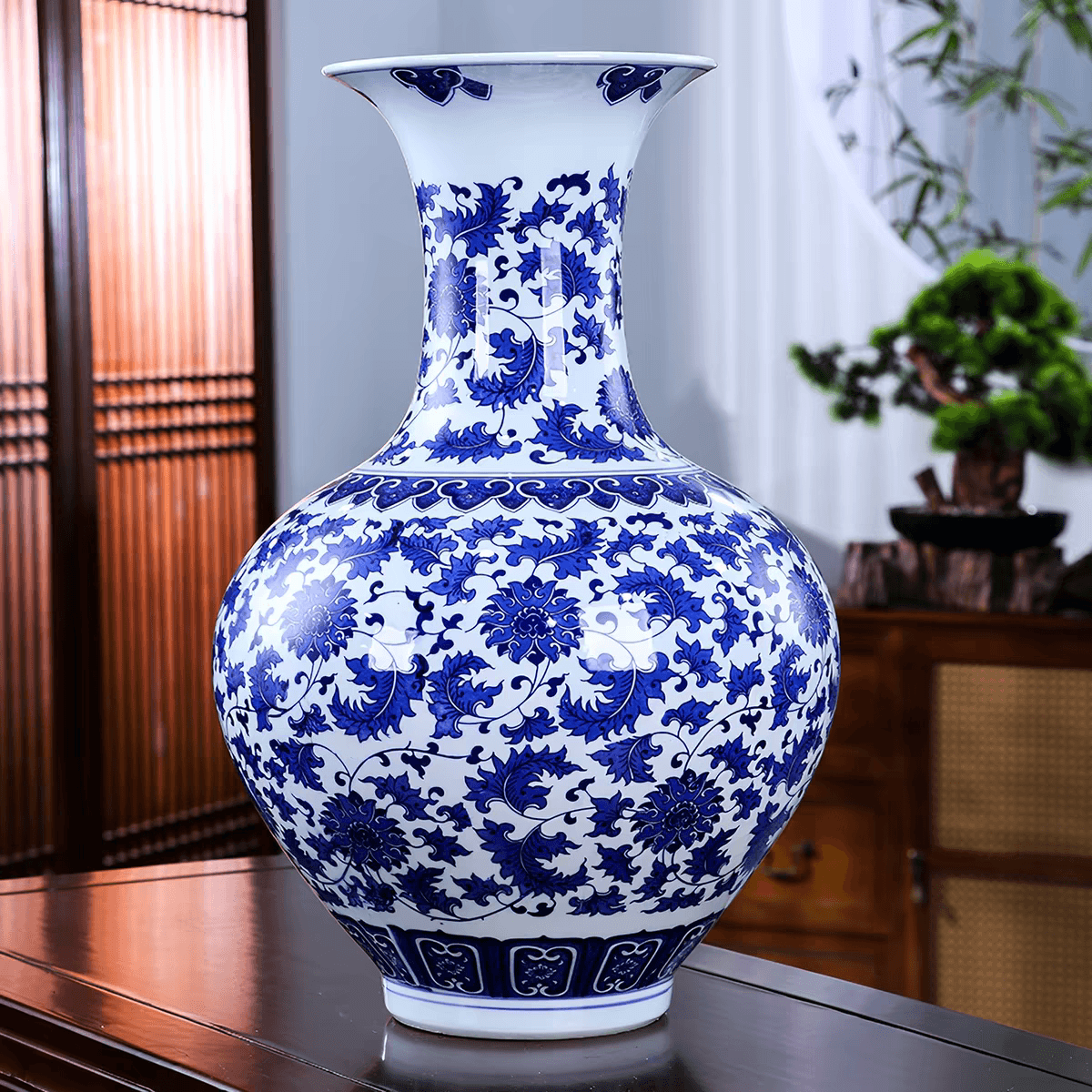
Why Is Blue-and-White Porcelain “Worth Its Weight in Gold”?
Blue-and-white porcelain earns its "white gold" status through extreme scarcity and near-impossible craftsmanship. Yuan and Ming pieces have fetched record auction prices, and imperial kiln rules required defective pieces to be destroyed. Jingdezhen's 72-step handmade craft and cobalt pigments perfected its timeless beauty.
Read more