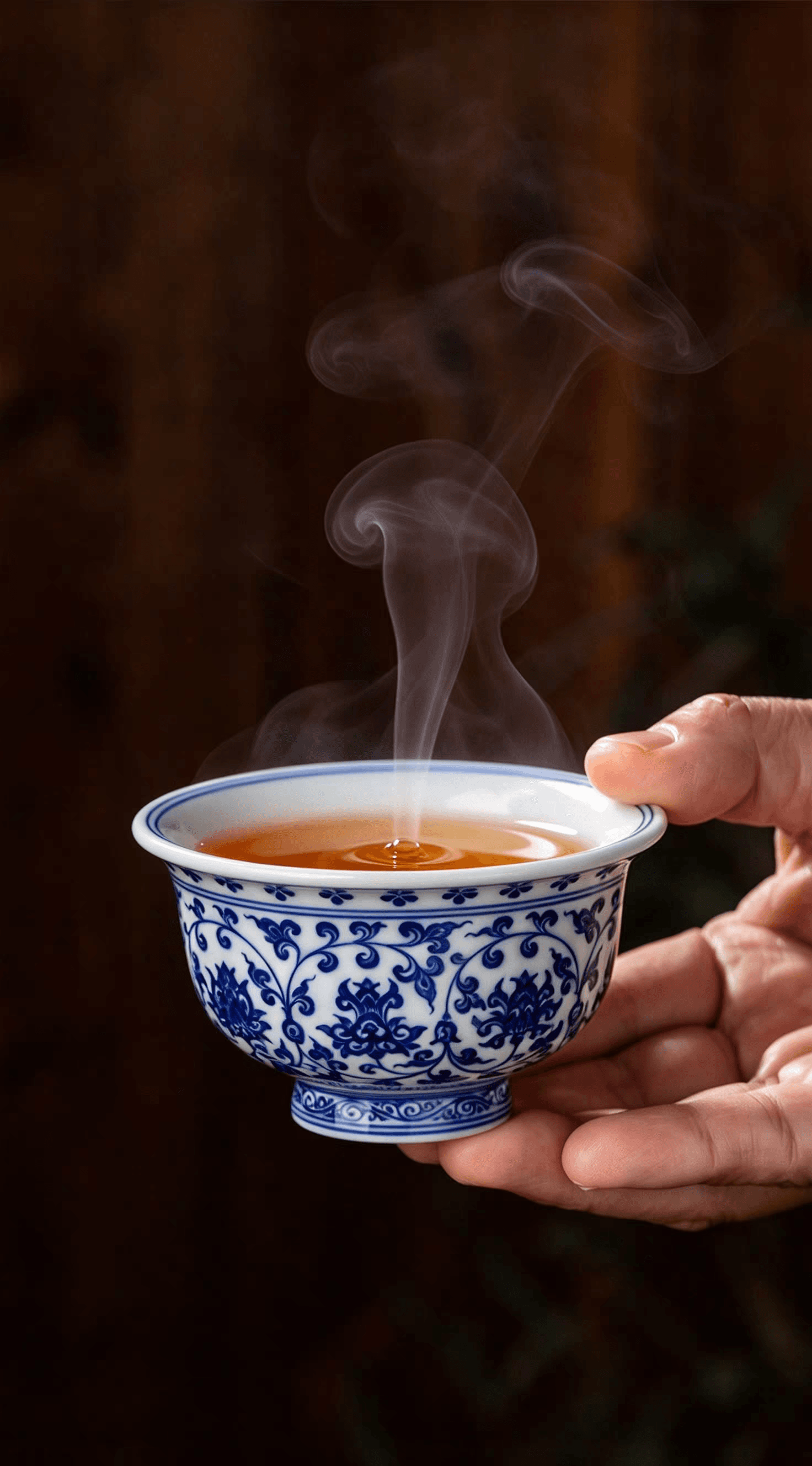
Kaolin is named after Gaoling Village in Jingdezhen. With its high alumina content and strong refractoriness, Yuan dynasty artisans combined it with porcelain stone to create the binary formula, which kept large pieces from warping and gave Jingdezhen porcelain its warm, refined texture—laying the cornerstone of high-quality porcelain.
When people think of fine Chinese porcelain, Jingdezhen is the first place that comes to mind. But few people know that the warm, delicate, superior quality of Jingdezhen porcelain depends on a special raw material—kaolin. It is the core material that has supported Jingdezhen's thousand-year porcelain industry and the cornerstone of high-quality porcelain.
There is a kind of clay that looks unremarkable on the outside, yet is named after a village in Jingdezhen and has become a standard professional mineral term used throughout the global ceramics industry. It is kaolin.
The name kaolin comes from Gaoling Village in Fuliang County, Jingdezhen, Jiangxi. As early as the Ming and Qing dynasties, local artisans discovered this white mineral clay and found that it produced outstanding results when fired into porcelain. As Jingdezhen porcelain was exported overseas, the name "Gaoling" was transliterated as Kaolin and spread around the world—clear evidence of its unique value.
Why is kaolin the key to porcelain making?
Kaolin has a high aluminum oxide content and extremely strong fire resistance. This is its most core difference from ordinary clay.
Before the Yuan Dynasty, Jingdezhen porcelain was made using only porcelain stone as the raw material. Porcelain stone has a relatively low melting point, so when firing large pieces, the body easily deforms and collapses, making finished pieces very difficult to produce. Yuan Dynasty artisans innovated the binary formula, combining kaolin and porcelain stone to make the body, and porcelain quality took a leap forward: Porcelain stone melts at high temperature and forms the main body of the porcelain胎, like the flesh and blood of the porcelain; kaolin is like the skeleton, relying on its strong fire resistance to support the shape, allowing large porcelain pieces to be fired successfully. The porcelain body fired with kaolin is dense, hard, and structurally stable, with a smooth, lustrous glaze that resists deformation.
What kaolin means for our ceramic decorative pieces today
The raw material for our store's Jingdezhen ceramic decorative plates includes kaolin and is fired at a high temperature of 1380°C. Thanks to the stable body that kaolin provides, the colors in the design are firmly fixed and resist fading, and the porcelain body is fine and substantial. Whether for home display or as a gift, it retains its elegant appearance for years.
Summary
A fine piece of porcelain begins with fine clay. Kaolin is the starting point of Jingdezhen's thousand-year porcelain-making wisdom and an important standard for distinguishing ordinary ceramics from authentic Jingdezhen fine porcelain. To learn more about Jingdezhen kaolin ceramics, please click the text below to open
Related guides
· Buying Guide
Jingdezhen World Heritage bid: the world's first heritage site protecting an entire production line
Jingdezhen’s World Heritage inscription protects its entire handmade porcelain production chain, not a single site. The city’s two-thousand-year success stems from market demand, complete industrial clustering, and continuous artisan training.
Read more· Buying Guide
How to Choose a Ceramic Vase for Your Home
When choosing a ceramic vase for your home, avoid cheap low-fired mass-market pieces and look for fine porcelain made from kaolin fired at 1380°C. Choose the height based on where you'll place it, favor stable shapes, match the glaze color to your home decor style, and check that the base sits flat when you inspect it.
Read more
Why Is Blue-and-White Porcelain “Worth Its Weight in Gold”?
Blue-and-white porcelain earns its "white gold" status through extreme scarcity and near-impossible craftsmanship. Yuan and Ming pieces have fetched record auction prices, and imperial kiln rules required defective pieces to be destroyed. Jingdezhen's 72-step handmade craft and cobalt pigments perfected its timeless beauty.
Read more