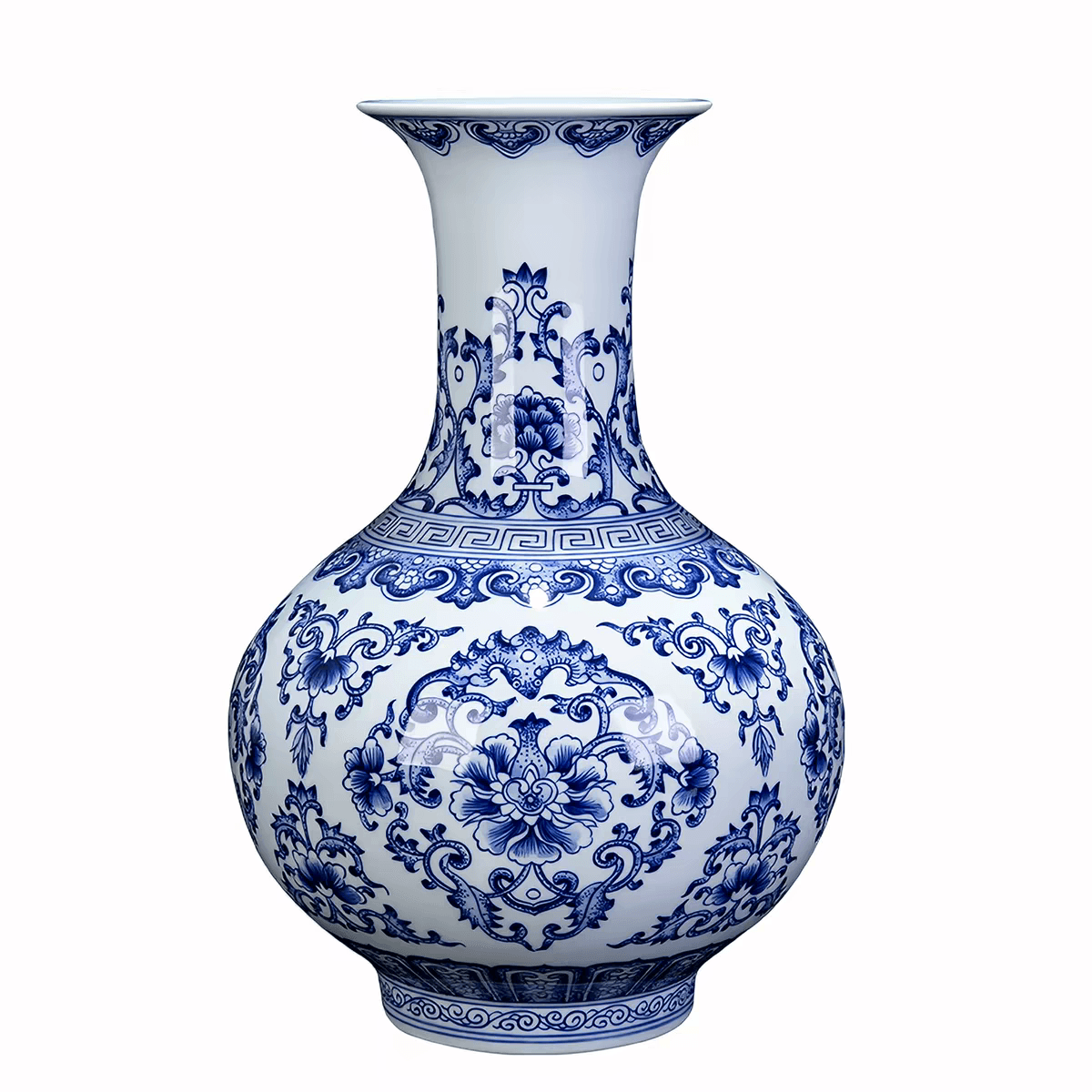
Jingdezhen’s World Heritage inscription protects its entire handmade porcelain production chain, not a single site. The city’s two-thousand-year success stems from market demand, complete industrial clustering, and continuous artisan training.
A lump of clay sold for HK$280 million. Just a bit of porcelain clay, shaped with a few pats, painted with a few strokes, and fired in a kiln, and you could buy a three-courtyard traditional Beijing siheyuan. Even crazier: Jingdezhen has fired over 300 million pieces of porcelain like this. They say skill gets better the more you do it, and they've been doing this craft for over 2,000 years. Not long ago, Jingdezhen's handmade porcelain industry heritage was successfully inscribed, making it the one-of-a-kind living heritage on Earth today.
Hi everyone, I'm Cici. Today let's talk about why Chinese porcelain is so expensive. This seemingly simple piece of porcelain goes through 72 steps, from quarrying stone in the mountains to coming out of the kiln. In these 72 steps, each worker spends their whole life doing just one thing, and the rejection rate is insanely high. Back in the imperial kiln days, one slip-up meant fewer than 10% of pieces came out good, and flawed pieces were smashed and buried on the spot. The porcelain you can see today has survived hundreds of rounds of selection.
The 72 steps weren't invented in the imperial palace—they were set by Jingdezhen's own master craftsmen. The clay diggers, the throwers, the painters, the fire watchers—everyone makes a living by their craft. Many people think what's expensive is this cup. I think what's truly valuable is the company that fired this cup. It's been in business continuously for over 2,000 years—never shut down, never relocated, never changed industries. It's changed bosses across dozens of dynasties and swapped out millions of employees, but the one thing that hasn't changed is the product. That company is Jingdezhen.
When Japan industrialized, it kept bragging about its century-old enterprises and time-honored brands. Look at ours—starting at 2,000 years. Pretty impressive, right? Many people always think of Jingdezhen as an ancient city. But think about it differently—it's more like the world's longest-running manufacturing company. The things we associate with companies today are basically just a few: product, supply chain, R&D, logistics, sales, and branding. Jingdezhen had all of that in place over 2,000 years ago.
Many people think this company is impressive because it can make porcelain. Not at all. Making porcelain forever isn't impressive—having people buy it forever is. Jingdezhen didn't survive on imperial handouts; it has always lived on the market. Dynasties can change, but customers can't dry up. So every time the realm fell into chaos, many cities emptied out, yet Jingdezhen still had smoke rising from its chimneys. Because as long as there are orders, a family can still eat. That's the truth of how manufacturing survives.
It wasn't history that kept Jingdezhen alive—it was the market. That's why Jingdezhen has been firing porcelain for over 2,000 years. If nobody bought what came out of the kiln, what we'd see today wouldn't be Jingdezhen—it'd be the Jingdezhen ruins. So here's the question: why has the whole world always been willing to buy? Because Jingdezhen really understands its customers. Back in the Southern Song dynasty, many places in China still thought of porcelain as just the bowl you eat from at home, but Jingdezhen was already taking overseas orders.
Jingdezhen's blue-and-white porcelain traveled the Maritime Silk Road to Southeast Asia, India, the Arabian Peninsula, and Africa. Today many factories boast about supporting ODM and OEM. Sorry, but Jingdezhen was customizing products to customer needs 700 years ago. It wasn't just the best at making porcelain—it also did market research. From the 13th to the 19th century, Jingdezhen was the world's largest ceramics contract manufacturer. European royalty, Arab merchants, Japanese nobles—all were its clients.
Later, Europe spent centuries trying to figure out how Chinese porcelain was actually made. In the end, the French obtained the core porcelain-making technology through missionaries and brought it back to Europe, finally cracking the formula. But here's the thing: why is Jingdezhen still making money even after Europe cracked porcelain? Because truly great companies don't just have top-tier technology—they have comprehensive supporting supply chains.
From the kaolin clay mines at Gaoling and the porcelain stone mines at Changling, the kiln-firewood fuel plants in the mountains, to the kiln sites at Hutian, the imperial kiln factory in the town center, and the wharves along the Chang River. Today we call it an industrial cluster. Seven hundred years ago, Jingdezhen was already doing it. That's why Jingdezhen's World Heritage inscription is different from all previous Chinese inscriptions. From digging clay, cutting firewood, firing kilns, shipping goods, to transporting them away—the entire industrial chain was packaged and submitted as a whole.
What the UN is protecting isn't a single kiln or a single ancient building—it's the entire production line. But many century-old companies have one problem: succession. Jingdezhen is the same. Why is it still thriving after 2,000 years? Because people keep coming in. The master-apprentice system is the core talent development system behind Jingdezhen's thousand-year craft heritage. That's why Jingdezhen has never feared its old masters retiring—because before the kiln fire has cooled, the new master kiln-watcher is already standing in front of the kiln.
Walk into Jingdezhen and you'll see over 60,000 "Jingpiao" migrants and more than 5,000 foreign "Jingpiao" making ceramics here, with over 300,000 people still working in the porcelain industry. The old craft isn't dead—it's become the coolest trend. Now that Jingdezhen has successfully been inscribed as a World Heritage Site, artists, young people, and tourists from all over the world are flocking here. The kiln fire lit in the Eastern Han dynasty has burned all the way to today, burning brighter than ever.
That's exactly why Jingdezhen's inscription is so special. Some people say, "Isn't a successful World Heritage listing just another plaque? What does that have to do with me and my 3,000-yuan-a-month salary?" It has everything to do with it. Most past World Heritage Sites commemorated power—places where emperors lived, places where kings were buried. But Jingdezhen is different. For the first time, it tells the world that ordinary people's labor itself deserves to be remembered by the world.
The people who throw the clay, the people who fire the kilns, the people who paint the porcelain—they weren't written into the history books, but together they accomplished one thing: keeping a craft alive for over 2,000 years. Ordinary people making a living by their craft, the everyday vitality created through industrial production—that in itself is a miracle of human civilization. If silk opened the door to world trade, then porcelain is the oldest, most hardcore cultural calling card China has handed to the world. The word "china" means both China and porcelain—and that's what makes Jingdezhen so special.
It doesn't survive on a few ancient buildings—it survives on generation after generation of artisans. It isn't great because of its glorious past—it's great because it can still create value today. The hometown of porcelain is here, the pinnacle is here, the soul is here. This is Jingdezhen. I'm Cici,
If you'd like to learn about Jingdezhen ceramic products, click the text below.
Related guides
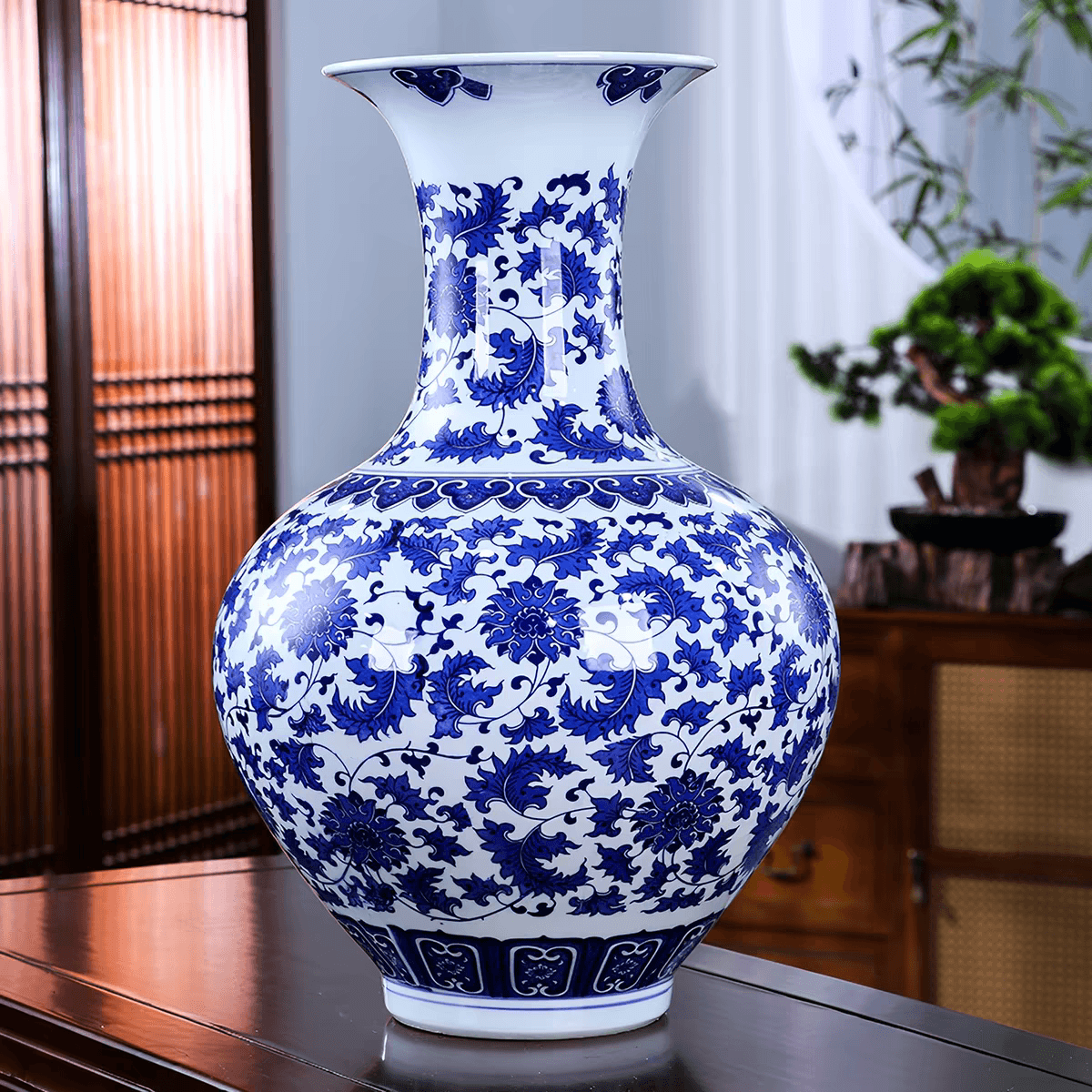
Why Is Blue-and-White Porcelain “Worth Its Weight in Gold”?
Blue-and-white porcelain earns its "white gold" status through extreme scarcity and near-impossible craftsmanship. Yuan and Ming pieces have fetched record auction prices, and imperial kiln rules required defective pieces to be destroyed. Jingdezhen's 72-step handmade craft and cobalt pigments perfected its timeless beauty.
Read more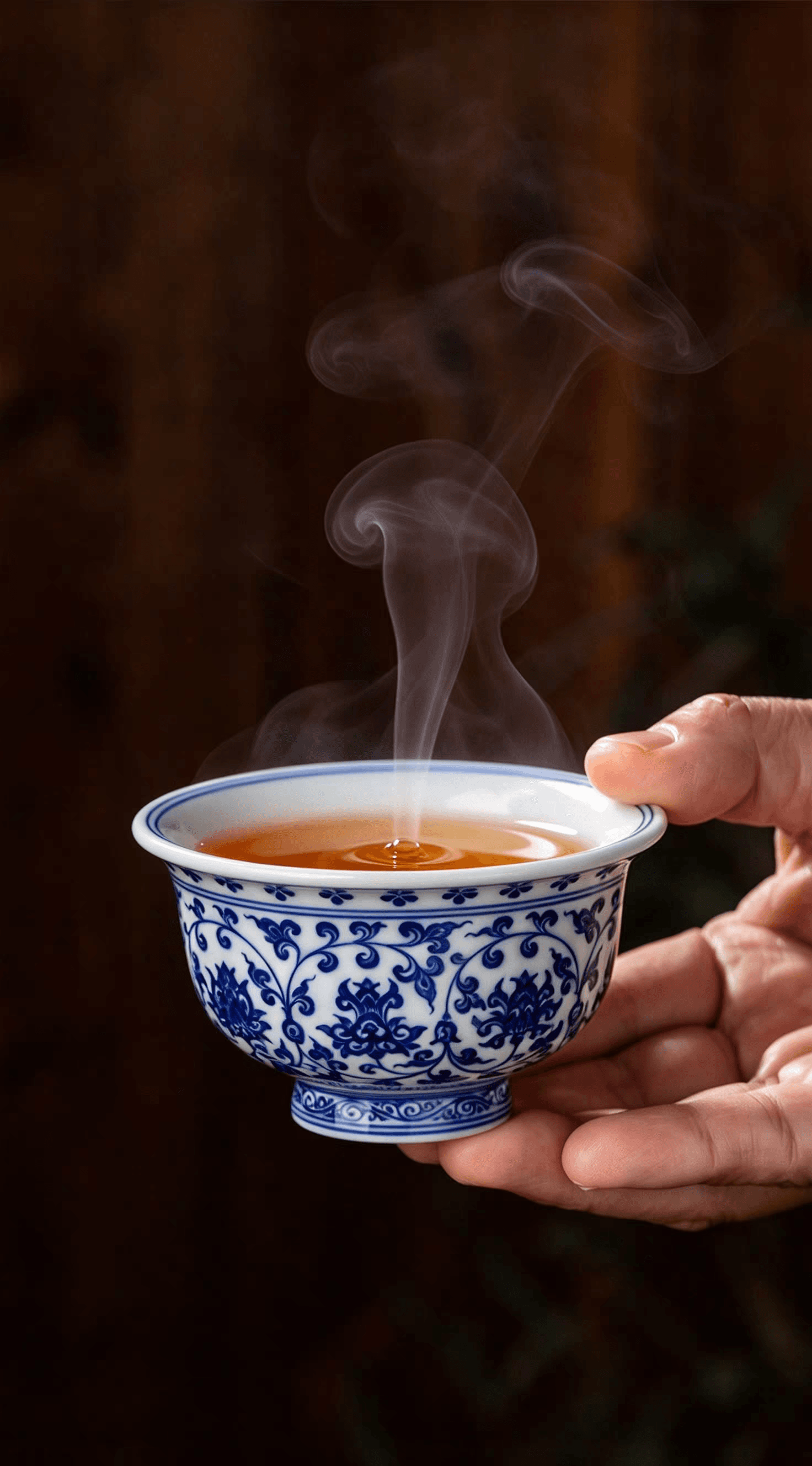
· Buying Guide
Kaolin: The Remarkable Clay Behind a Millennium of Jingdezhen Porcelain
Kaolin is named after Gaoling Village in Jingdezhen. With its high alumina content and strong refractoriness, Yuan dynasty artisans combined it with porcelain stone to create the binary formula, which kept large pieces from warping and gave Jingdezhen porcelain its warm, refined texture—laying the cornerstone of high-quality porcelain.
Read more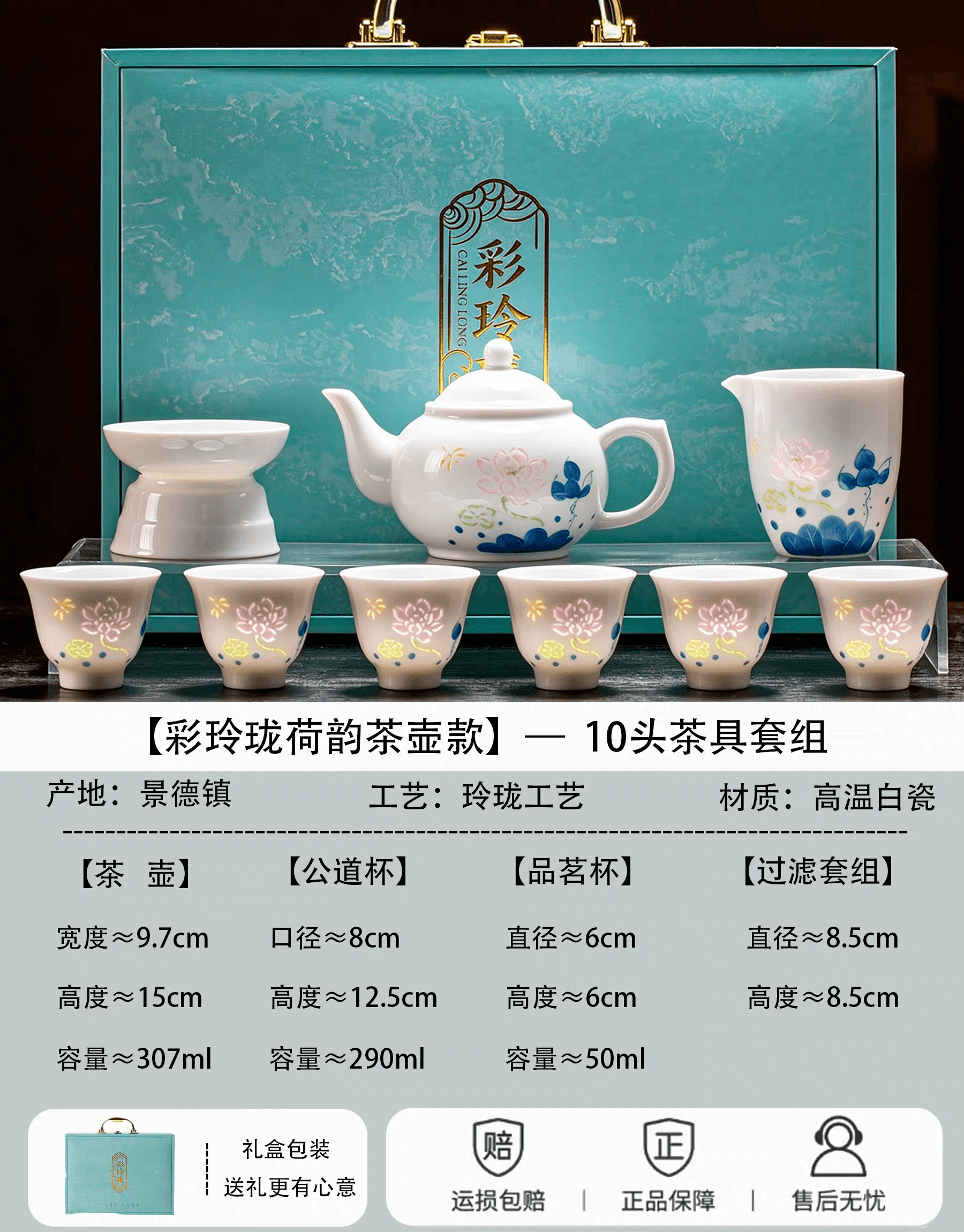
· Buying Guide
Linglong Porcelain: From Accident to an Imperial-Kiln Legend of Starlight
{"摘要":"Linglong porcelain began with a kiln accident in the Song Dynasty. Through meticulous steps like trimming, carving, and glaze filling, light passes through the body yet not a drop of water leaks—making it one of Jingdezhen’s four great porcelains, embodying imperial-kiln craftsmanship and Eastern romance."}
Read more