Buying Guide · Tea Cups · Tea Life
Linglong Porcelain: From Accident to an Imperial-Kiln Legend of Starlight
· 8 min read
{"摘要":"Linglong porcelain began with a kiln accident in the Song Dynasty. Through meticulous steps like trimming, carving, and glaze filling, light passes through the body yet not a drop of water leaks—making it one of Jingdezhen’s four great porcelains, embodying imperial-kiln craftsmanship and Eastern romance."}
To make the clay obedient, your hands must apply hidden pressure, and your mind must be even calmer. The formed clay body still needs to be placed in a cool, shaded spot to dry slowly over several days—this is the beginning of the long process of making linglong porcelain.
The unique starlight effect of linglong porcelain originated from a beautiful accident in the kiln fire. When Song dynasty artisans fired incense burners, the glaze overflowed and melted at high temperatures, sealing the holes on the body of the burner. Though the air holes were sealed, the gentle light could still pass through the porcelain body. Artisans drew inspiration from this, continuously refining and repeatedly test-firing until they finally created linglong porcelain with its own starlight.
The next step is trimming. Watching trimming looks satisfying, but doing it is a real test. The carving blade is sharp, with very little margin for error. The cup wall must be trimmed round and thin, with not the slightest deviation: shave it a bit too thin, and it will easily crack during firing; leave it a fraction too thick, and the piece will look clunky and dull.
Since the Ming dynasty, Jingdezhen has been the site of the imperial kilns. Different categories of porcelain were spread across different workshops, with artisans specializing in fine divisions of labor, each fulfilling their own role—creating the imperial porcelain legend of "tribute silver and sable gold as registers, official kiln porcelain cups with jade as clay." Even for an imperial workshop supplied by the whole nation, linglong porcelain remained extremely difficult to fire. Even Emperor Qianlong, who was very fond of linglong porcelain, specifically ordered limits on the number of linglong pieces fired, prohibiting arbitrary mass production.
Carving linglong eyes requires intense concentration. I first practiced repeatedly on linglong vases to get familiar with the feel of the blade, and only once my technique was stable could I move on to carving teacups. When making porcelain, your heart must be calm, your focus on the tip of the blade, and every cut must be measured just right.
Simply carving the linglong eyes is far from enough. Artisans fill them with a special linglong glaze, filling the hollowed-out holes flush, then apply glaze over the entire piece and fire it once at high temperature in the kiln. After firing, the hollowed-out holes in the porcelain are hard to see with the naked eye. Only when light passes through the porcelain body does the starlit sky hidden within gradually reveal itself.
Linglong porcelain is one of the four great famous porcelains of Jingdezhen, also known as rice-grain porcelain.
Light and shadow pass through the porcelain body, translucent and lively, yet not a drop leaks through.
Artisans from centuries ago sealed scattered starlight into clay and kiln fire. This is a romance unique to the East.
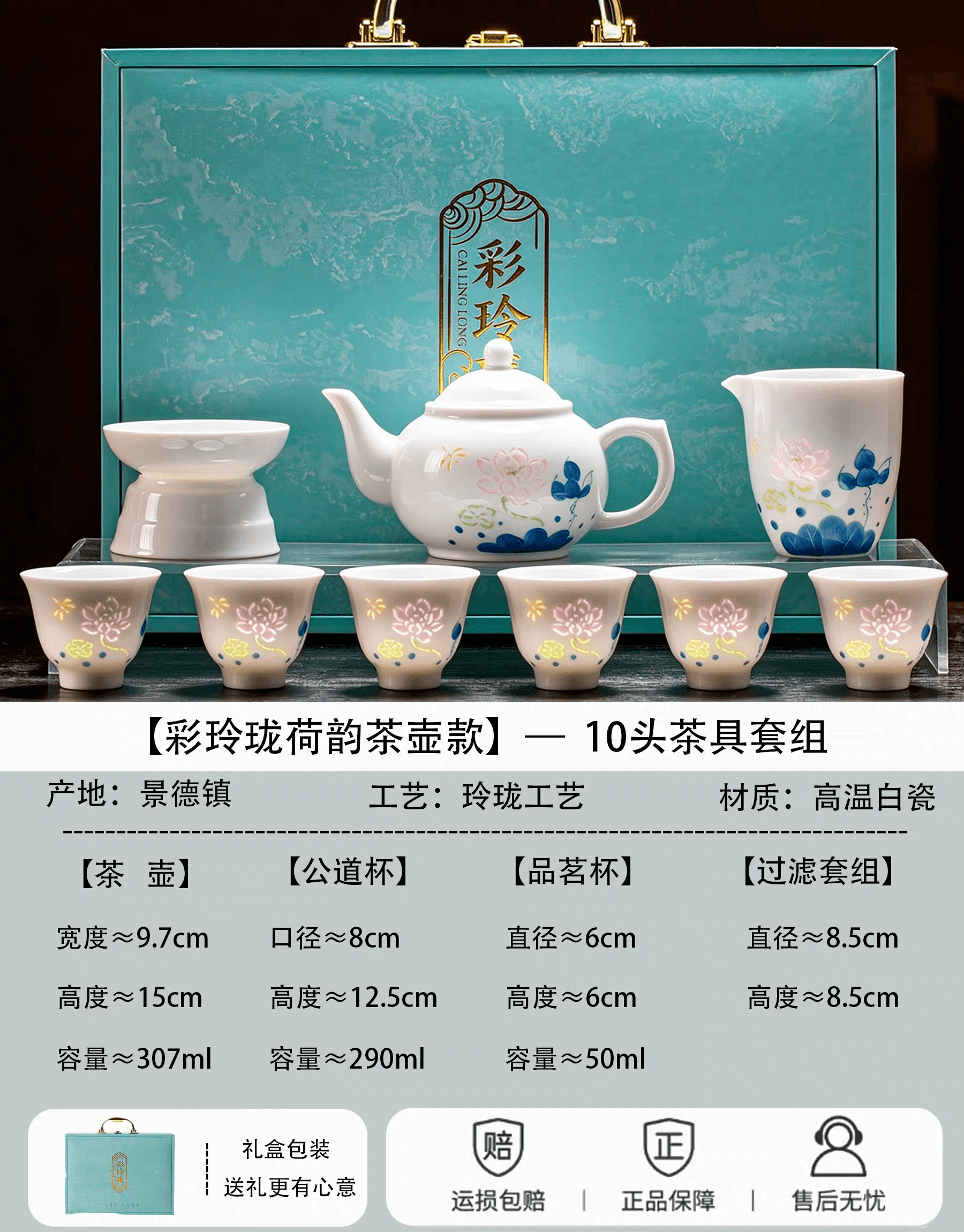
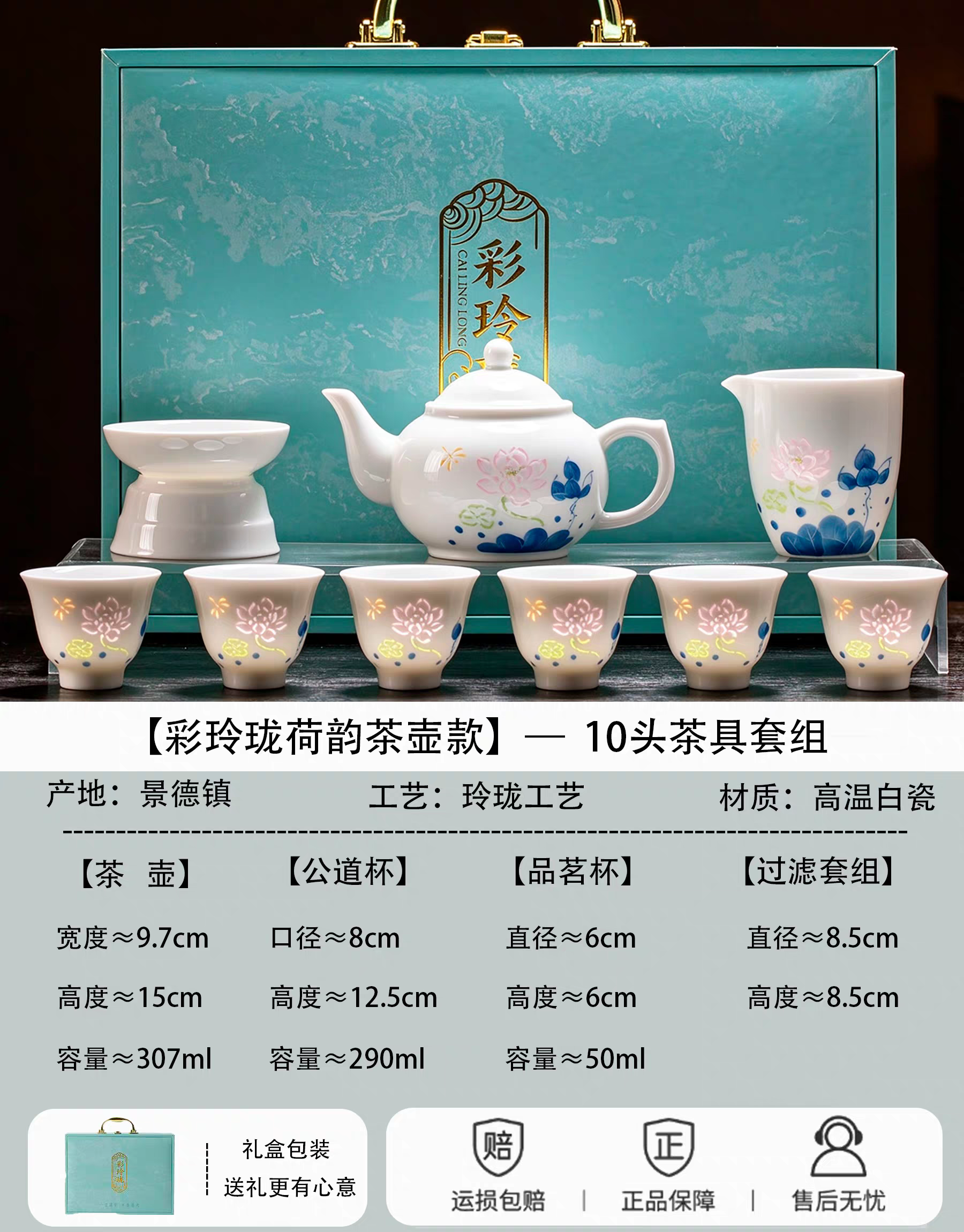
Below are linglong ceramic products—take a look.
Click me to view
Related guides
· Buying Guide
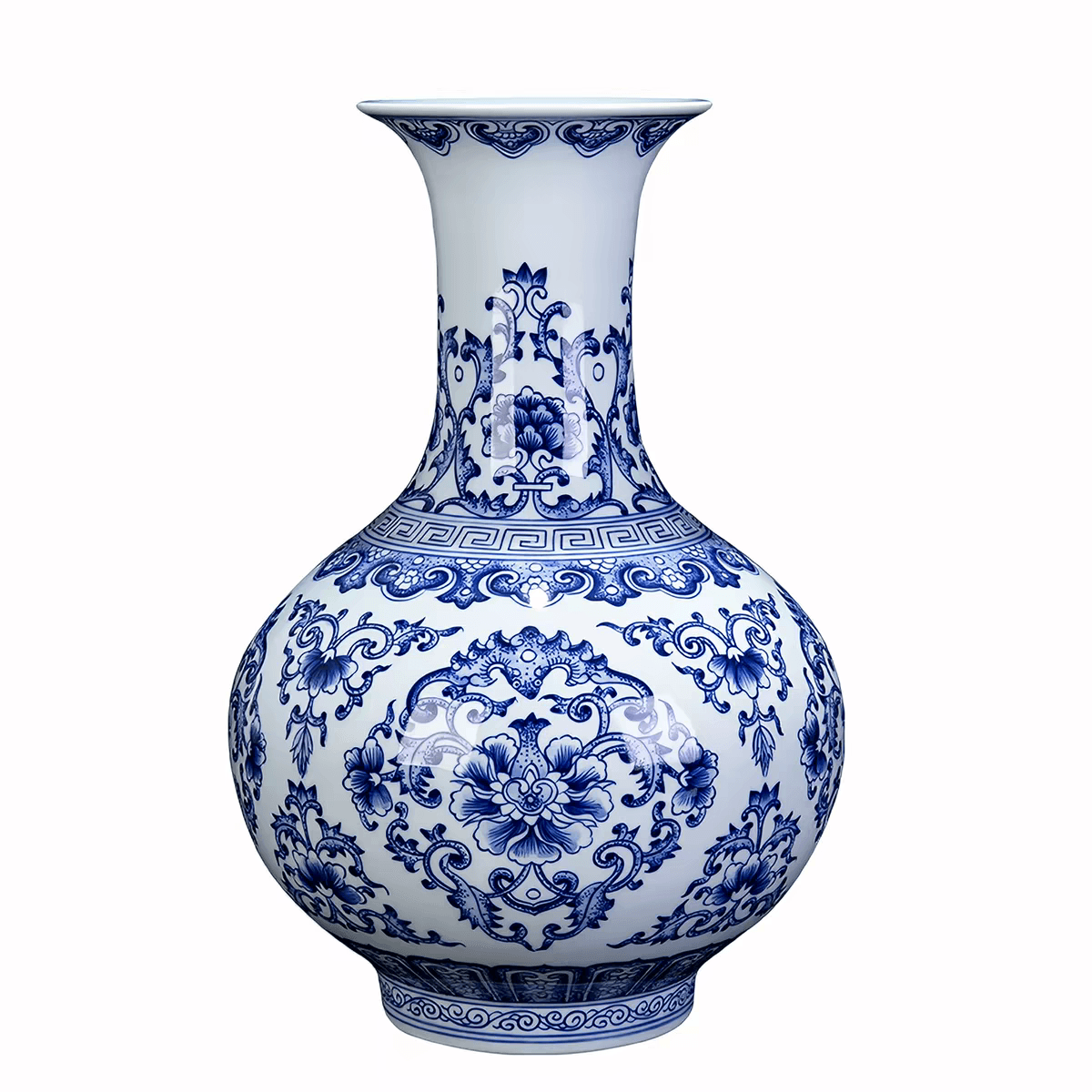
Jingdezhen World Heritage bid: the world's first heritage site protecting an entire production line
Jingdezhen’s World Heritage inscription protects its entire handmade porcelain production chain, not a single site. The city’s two-thousand-year success stems from market demand, complete industrial clustering, and continuous artisan training.
Read more· Buying Guide
How to Choose a Ceramic Vase for Your Home
When choosing a ceramic vase for your home, avoid cheap low-fired mass-market pieces and look for fine porcelain made from kaolin fired at 1380°C. Choose the height based on where you'll place it, favor stable shapes, match the glaze color to your home decor style, and check that the base sits flat when you inspect it.
Read more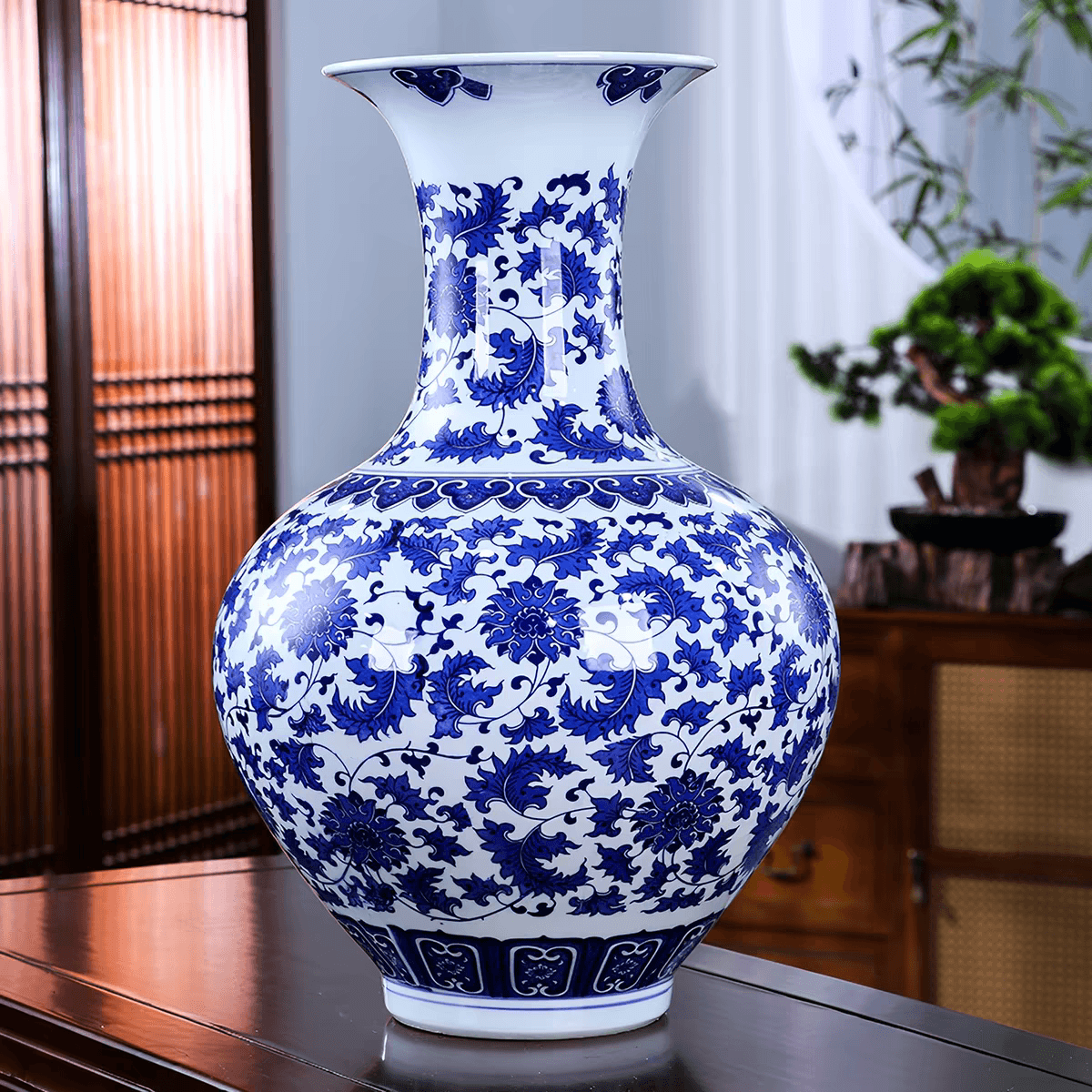
Why Is Blue-and-White Porcelain “Worth Its Weight in Gold”?
Blue-and-white porcelain earns its "white gold" status through extreme scarcity and near-impossible craftsmanship. Yuan and Ming pieces have fetched record auction prices, and imperial kiln rules required defective pieces to be destroyed. Jingdezhen's 72-step handmade craft and cobalt pigments perfected its timeless beauty.
Read more