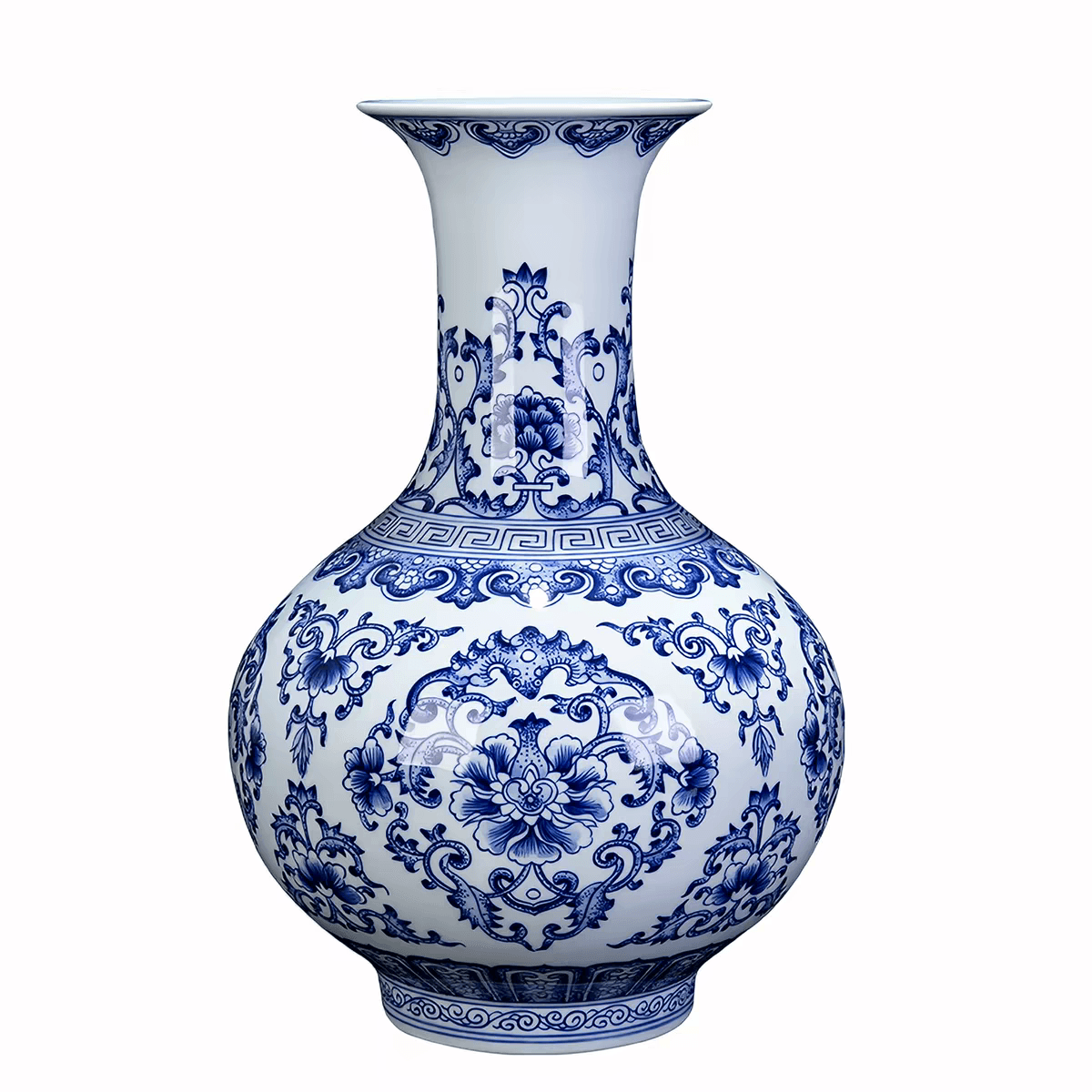
When choosing a ceramic vase for your home, avoid cheap low-fired mass-market pieces and look for fine porcelain made from kaolin fired at 1380°C. Choose the height based on where you'll place it, favor stable shapes, match the glaze color to your home decor style, and check that the base sits flat when you inspect it.
Many people run into the same pitfalls the first time they place a ceramic vase in their home: they only compare prices and overlook differences in material, craftsmanship, and texture. They end up buying a vase with a cheap feel, rough workmanship, and a style that clashes badly with their home decor—one that not only fails to enhance the space but actually drags down the overall look.
Most low-priced, mass-market vases on the market have inherent material and craftsmanship flaws. Most are fired at low temperatures, leaving the body loose and not dense, with a thin, dull glaze. The harsh shine on the surface isn't the glaze of the porcelain itself—it's usually sprayed-on industrial lacquer. Over time, it tends to yellow, peel, and flake, and some low-quality products even retain an odor when you get close.
In terms of craftsmanship details, cheap mass-produced vases get almost no fine trimming or polishing. Warped shapes, rough lines, black spots, pinholes, and bumpy flaws are extremely common. As home decor, they have no sense of quality—the longer they sit out, the cheaper and more out of place they look, and they completely fail to enhance the atmosphere of a home.
The truly high-quality decorative porcelain suited for long-term display at home is Jingdezhen 1380°C high-temperature kaolin fine porcelain. Authentic Jingdezhen porcelain uses premium kaolin as its raw material and is fully fired at 1380 degrees, giving it a dense, fine body and a stable structure. The glaze has a warm, soft, natural jade-like quality—not harsh or flashy—with a clear, rich color that won't fade, lose its glaze, or age after years of display. The more you look at it, the more you appreciate it.
Whether it's a clean, elegant monochrome glaze, warm translucent celadon, delicate half-carved (bandaoni) carving, classic blue-and-white, or refined doucai, every finished piece undergoes fine body trimming, meticulous glaze finishing, and detail polishing. The finished forms are upright and symmetrical, with smooth, natural lines and crisp, clean craftsmanship details—qualities ordinary mass-produced pieces simply can't match.
For beginners choosing a large decorative vase for the home, besides distinguishing material and craftsmanship, it also helps to know the right way to choose a style:
- Choose the right height based on where it will be placed
Vase size determines the sense of spatial harmony. For floor placement in an entryway or living room, a tall vase of 60–90cm works well—stately and grounded, with enough presence to anchor the whole room; For a TV stand, side cabinet, or tabletop, a medium vase of 40–60cm suits the proportions—balanced, simple, and elegant.
Too tall and it makes the space feel oppressive; too small and it looks thin and inconspicuous, failing to serve as decor.
- Prioritize classic shapes with a stable base
When choosing a vase for the first time, try to avoid irregular shapes with a small base, tall body, and high center of gravity—they tip over easily and break. Recommended are classic, timeless shapes with a high margin for error: straight-sided vases, waisted vases, meiping (plum vases), and other traditional forms—dignified and versatile enough to suit any home style.
- Match glaze color and style to your home decor
Modern minimalist, light luxury, and new Chinese-style interiors: celadon, monochrome glazes, and plain minimalist styles fit best—clean, refined, and never out of date. Traditional Chinese interiors and festive soft-furnishing settings: choose styles with traditional patterns such as blue-and-white or doucai—elegant and festive.
Large areas of busy, elaborate patterns easily cause visual fatigue; for home decor, lean toward understated, warm, and simple.
- Distinguish by use: for flower arranging or purely for display
If you'll use it regularly for flowers: prioritize styles with a moderate opening and a neat, tapered mouth—stems stay more secure and arrangements look tidier. If it's purely a soft-furnishing accent or artistic display piece: focus on the beauty of the form, the texture of the glaze, and craftsmanship details.
- Key criteria for inspecting a large vase
A high-quality ceramic decorative piece must have a flat, smooth base. Place it on a flat surface and give it a gentle push—if it doesn't wobble or tilt, it's a properly finished piece. Large ceramics are fragile, so be sure to inspect your order as soon as it arrives to avoid shipping-related chips or flaws.
Related guides
· Buying Guide
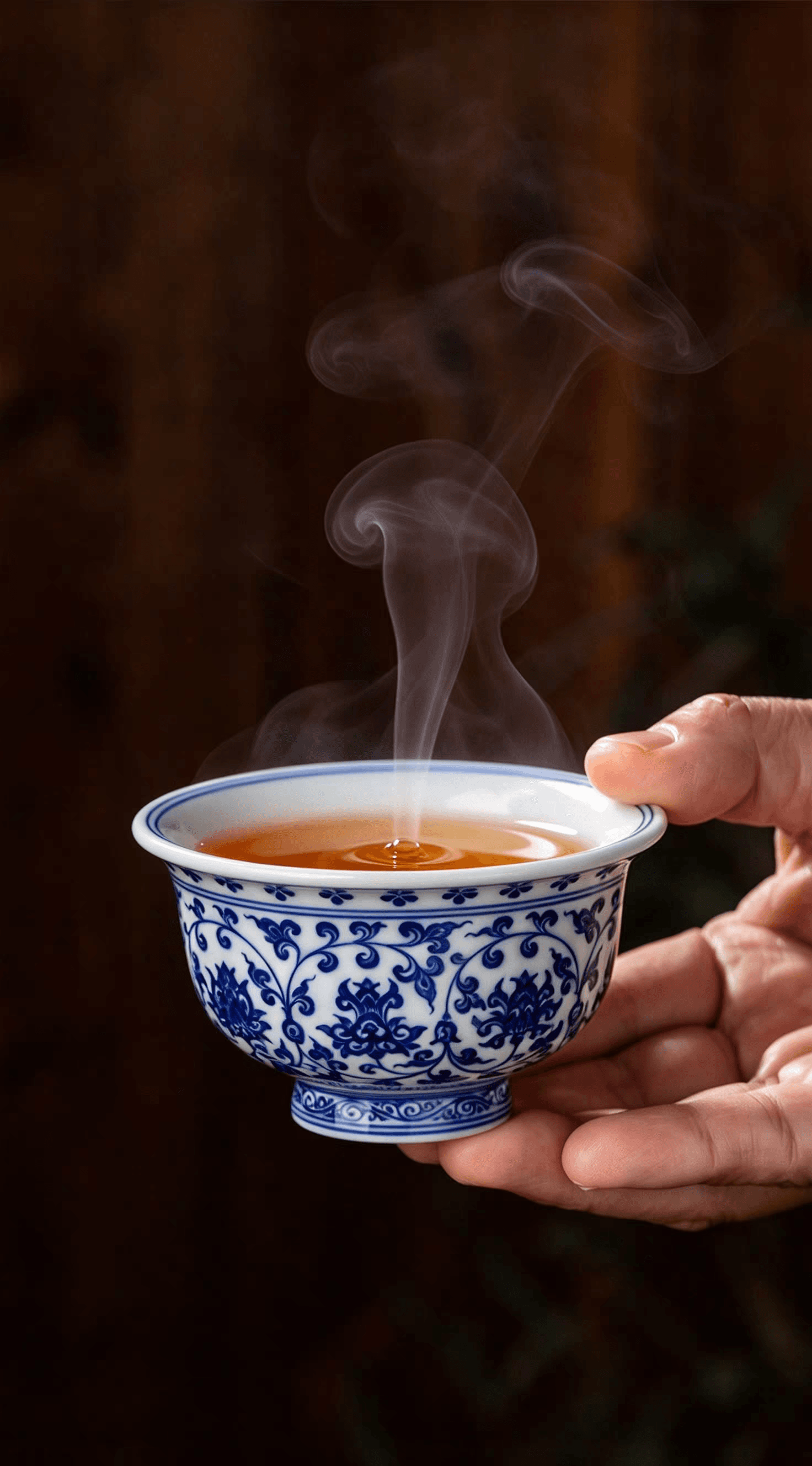
Kaolin: The Remarkable Clay Behind a Millennium of Jingdezhen Porcelain
Kaolin is named after Gaoling Village in Jingdezhen. With its high alumina content and strong refractoriness, Yuan dynasty artisans combined it with porcelain stone to create the binary formula, which kept large pieces from warping and gave Jingdezhen porcelain its warm, refined texture—laying the cornerstone of high-quality porcelain.
Read more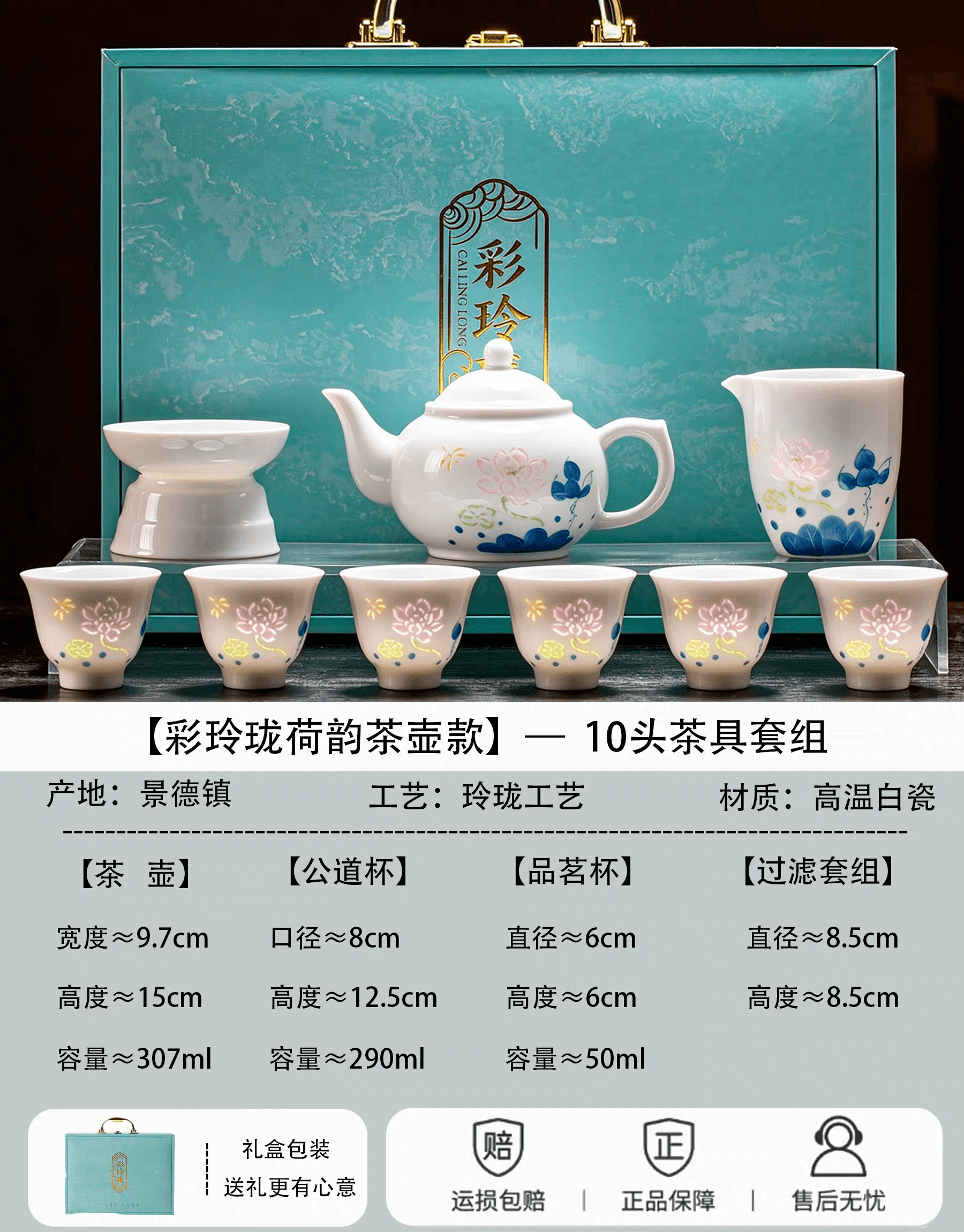
· Buying Guide
Linglong Porcelain: From Accident to an Imperial-Kiln Legend of Starlight
{"摘要":"Linglong porcelain began with a kiln accident in the Song Dynasty. Through meticulous steps like trimming, carving, and glaze filling, light passes through the body yet not a drop of water leaks—making it one of Jingdezhen’s four great porcelains, embodying imperial-kiln craftsmanship and Eastern romance."}
Read more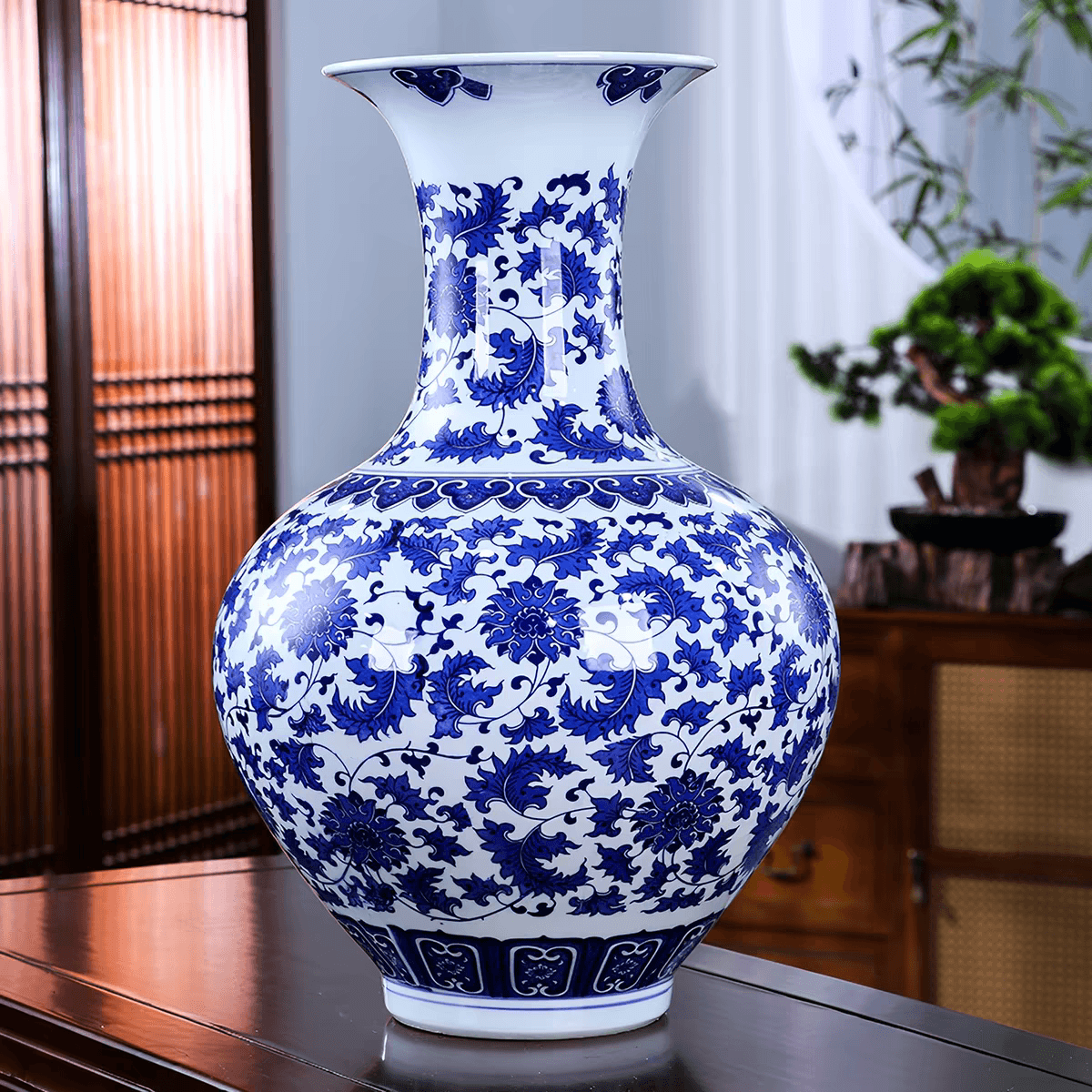
Why Is Blue-and-White Porcelain “Worth Its Weight in Gold”?
Blue-and-white porcelain earns its "white gold" status through extreme scarcity and near-impossible craftsmanship. Yuan and Ming pieces have fetched record auction prices, and imperial kiln rules required defective pieces to be destroyed. Jingdezhen's 72-step handmade craft and cobalt pigments perfected its timeless beauty.
Read more